 Glass Skin Diary
What Dermatologists Mean by 'Barrier'
The actual structure behind one of skincare's most overused words, and why most 'barrier-friendly' marketing doesn't mean much.
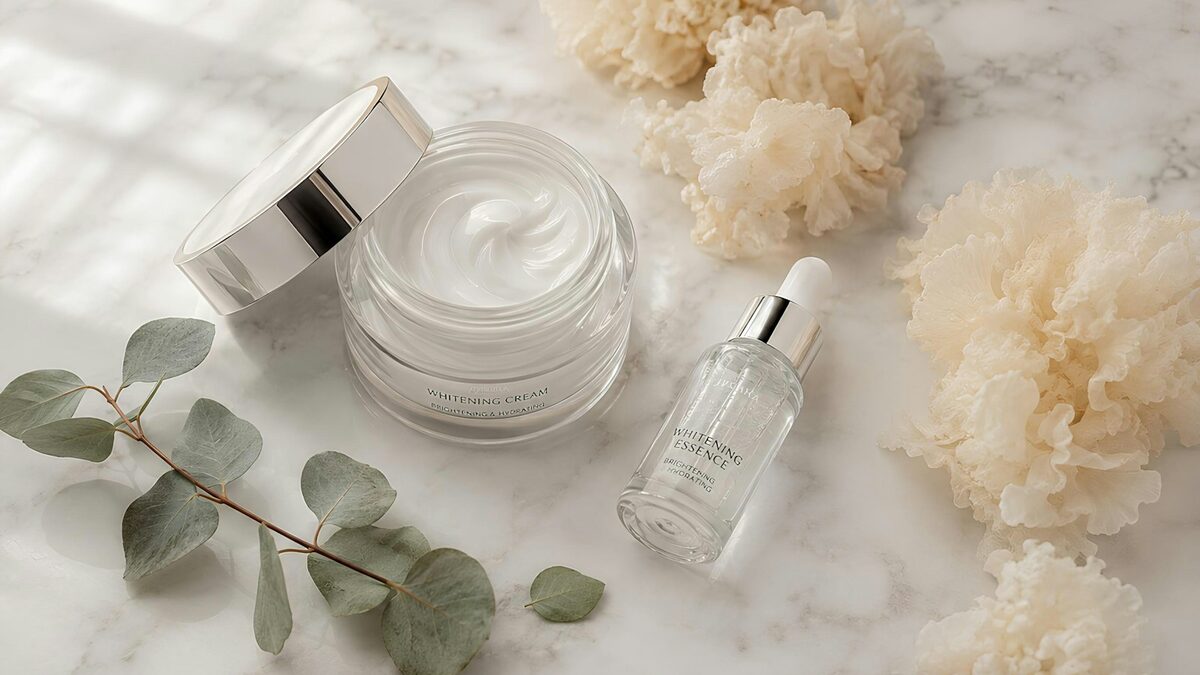
The word every dermatologist uses, and what it actually means
"Barrier" shows up in nearly every skincare conversation now, usually attached to a product claim, but the term predates the marketing by decades. In dermatology, the skin barrier refers specifically to the stratum corneum, the outermost layer of dead, flattened skin cells, and the lipid matrix that holds them together. Its job is narrow and critical: keep water inside the body, and keep irritants, allergens, and microbes outside of it. When people say their barrier is "wrecked," they mean this specific structure has been disrupted enough that it's no longer doing that job well.
The brick-and-mortar analogy, and where it breaks down
The most common way this gets explained is bricks and mortar: skin cells are the bricks, and a mixture of ceramides, cholesterol, and free fatty acids is the mortar holding them together. It's a genuinely useful mental model for understanding why moisturizers with those three lipids in roughly the same ratio skin naturally uses tend to work better than ones without them. Where the analogy breaks down is that it suggests something static, like a finished wall, when the barrier is actually a living, constantly renewing structure. New cells are always being produced below and pushed upward, maturing into "bricks" as they go, which is also why barrier damage isn't permanent and isn't instantly fixed either; it resolves on the same timeline the skin naturally renews itself.
What a damaged barrier actually feels like
- Tightness that doesn't ease up after moisturizing, or returns within an hour
- Stinging or burning when applying products that never used to bother you, including plain water sometimes
- Visible flaking or rough texture that isn't tied to weather or a known dry patch
- Redness that lingers rather than fading within minutes
- A dull, uneven look, since a disrupted barrier affects how light reflects off skin
These symptoms overlap with several skin conditions, which is part of why dermatologists are cautious about people self-diagnosing "barrier damage" online when the underlying cause might be eczema, an allergic reaction, or something else requiring different treatment entirely.
This is one reason dermatologists tend to ask about timeline and triggers rather than just symptoms when someone describes "barrier damage" in an appointment: did this start after a new product, a change in weather, or a change in routine frequency, and has it been getting better or worse over the past week. Those details distinguish a straightforward, self-correcting disruption from something that needs an actual diagnosis and a different treatment plan entirely.
How long recovery actually takes
A mild disruption, like over-exfoliating for a week, often improves within a few days of stripping back to gentle basics. More significant damage, the kind that comes from months of over-treating skin with too many actives at once, tracks closer to the skin's full renewal cycle, which runs roughly four to six weeks in younger adults and longer as skin ages. This is the most frustrating part of barrier repair for most people: the urge to fix it quickly with a new product is strong, but the actual mechanism of repair is slow and happens whether or not you're actively doing anything, as long as you stop actively disrupting it further.
What helps, and what doesn't
What genuinely helps: simplifying to a gentle cleanser, a moisturizer containing ceramides, cholesterol, and fatty acids in a reasonable ratio, and sunscreen, while pausing every exfoliating acid, retinoid, and physical scrub until symptoms resolve. What doesn't meaningfully help, despite how it's marketed: expensive serums layered on top of already-irritated skin, "detox" products that add more active ingredients to a barrier that needs fewer, and switching products frequently while looking for one that "finally works," which mostly just introduces new variables before the last one had time to settle.
Why this matters even without a diagnosed condition
You don't need eczema or a dermatologist's diagnosis for barrier function to be relevant to your routine. Every single active ingredient you apply, from a gentle vitamin C serum to a strong retinoid, has to pass through this structure to do anything at all, and a compromised barrier changes how much of a product actually penetrates versus sitting on the surface doing nothing. This is part of why the same serum can feel transformative on well-maintained skin and do almost nothing, or actively sting, on skin that's quietly been over-exfoliated for months. Barrier health isn't a niche concern for people with sensitive skin; it's the baseline condition that determines how well everything else in a routine performs.
Why "barrier-friendly" marketing is mostly meaningless
There's no regulated definition of "barrier-friendly," "barrier-safe," or "microbiome-friendly" in cosmetic labeling, which means any product can use the phrase regardless of its actual formulation. A genuinely barrier-supportive moisturizer is identifiable by its ingredient list, not its marketing copy: look for ceramides (often listed as ceramide NP, AP, or EOP), cholesterol, and fatty acids like linoleic acid, ideally together rather than just one, in a formula without a long list of fragrance or alcohol high up the ingredient list. The label on the front of the jar tells you almost nothing useful about whether it will actually help.