 Glass Skin Diary
A Short History of Cold Cream
From a Roman physician's beeswax emulsion to the cleansing balm on your shelf today: the formula that barely changed for 1,800 years.
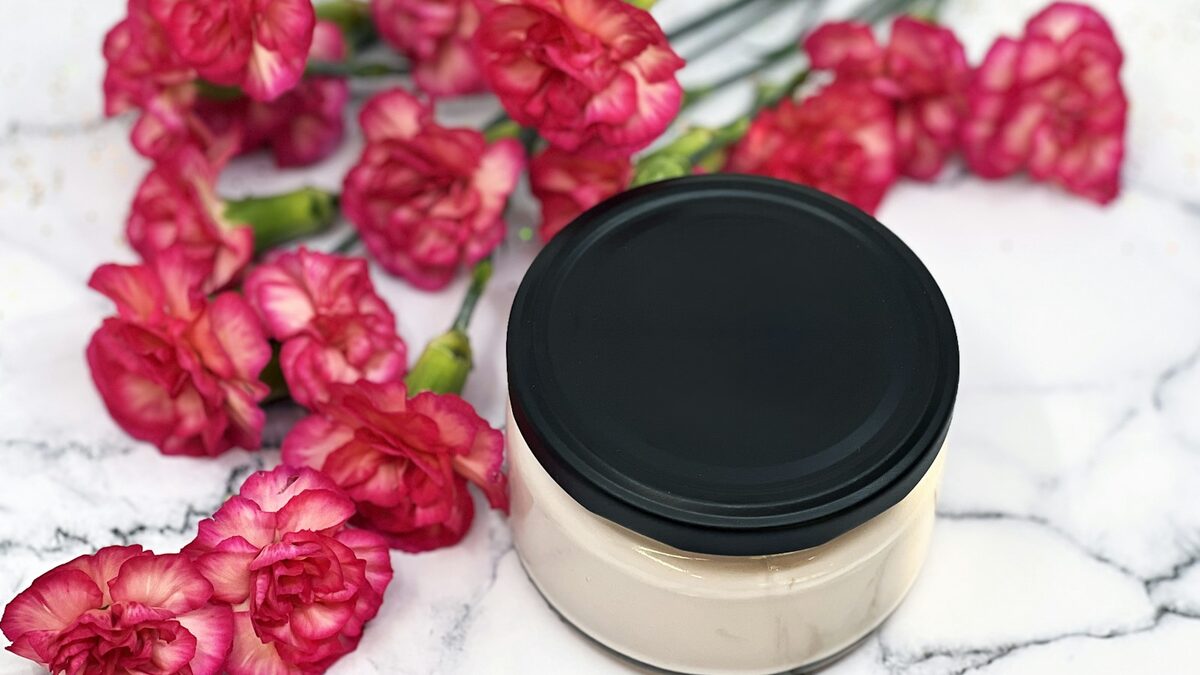
Galen's invention, second-century Rome
The earliest known formula for cold cream comes from Galen, the Greek physician practicing in Rome around 150 CE, whose medical writings were considered authoritative in Europe for well over a thousand years after his death. His recipe combined olive oil, beeswax, and water, slowly whipped together into an emulsion, a genuinely clever bit of chemistry for a formula with no modern equipment behind it. Getting oil and water to combine into something stable, rather than separating the moment you stopped stirring, required beeswax to act as an emulsifier, holding the two together in a way that must have seemed almost like a small trick of alchemy at the time.
Why it's called "cold" cream
The name has nothing to do with temperature-sensitive storage, which is the assumption most people make today. It describes the sensation on skin: as the water in the emulsion evaporates after application, it pulls heat from the skin's surface, creating a genuine cooling feeling as it settles in. Galen himself apparently noted this cooling effect in his original writing, which means the name has stayed essentially unchanged in meaning for close to two thousand years, a rare kind of linguistic staying power for a beauty product.
Pond's and the nineteenth-century boom
Cold cream stayed a mostly apothecary-made product for centuries, prepared by pharmacists in small batches, until American manufacturers in the second half of the 1800s began producing it at commercial scale. Pond's, founded originally as a witch hazel extract business in 1846, introduced its own cold cream formula in the 1880s and turned it into one of the first mass-market beauty products in the United States. By the early 1900s, Pond's was running some of the first celebrity-endorsed beauty advertising, and cold cream had shifted from a medicinal preparation into something closer to a daily ritual, marketed specifically to women as part of an emerging beauty industry.
The formula that barely changed for 1,800 years
What's genuinely remarkable, looking back, is how little the core formula moved between Galen's lifetime and the early twentieth century. Mineral oil eventually replaced olive oil as petroleum refining made it cheap and widely available in the late 1800s, and borax sometimes replaced some of the original emulsifying process, but the basic structure, an oil-and-water emulsion stabilized by wax, remained essentially the same idea for the better part of two millennia. It's one of the longer unbroken threads in the history of consumer products generally, let alone skincare specifically.
Why it fell out of fashion, then came back
Cold cream's reputation took a hit through the mid-to-late twentieth century as lighter lotions and newer synthetic moisturizers, marketed as less greasy and more "modern," took over drugstore shelves. It became associated, somewhat unfairly, with an older generation's bathroom cabinet rather than an active skincare choice. The ingredient slide-back toward simpler formulations over the past decade, along with renewed interest in oil cleansing as a makeup-removal method, has brought cold cream back into a lot of routines, often repackaged as a "cleansing balm," a term that describes essentially the same emulsion principle Galen was working with, just marketed to a generation that grew up thinking of it as something new.
Cold cream wasn't only a Roman idea
It's worth resisting the tidy version of this story where Galen invents an emulsion and the rest of the world simply waits to receive it centuries later. Oil-and-wax skin preparations show up independently in other traditions around the same period and earlier: ancient Egyptian cosmetic texts describe animal-fat and oil blends used for skin softening as far back as 1500 BCE, and classical Chinese medical texts from a similar era to Galen's describe comparable wax-based salves for chapped or weathered skin. What's specific to Galen's recipe, and the reason it's the one that survived into European pharmacy tradition, is that his writings were copied, translated, and taught continuously through medieval monastic medicine and into the early modern apothecary system, giving his exact formula an unusually well-documented paper trail that a lot of equally old traditions simply don't have.
A jar that survived every era of beauty fashion
Think about how much the beauty industry around cold cream has changed since Pond's first bottled it commercially: gaslight-era advertising gave way to radio spots, radio gave way to television endorsements, television gave way to influencer marketing on a phone screen, and through all of it the actual product sitting in the jar has needed only minor updates to stay relevant. Most skincare ingredients that were popular a hundred years ago have either been reformulated beyond recognition or quietly phased out for safety or efficacy reasons. Cold cream's core idea, oil and water held together by wax, never needed defending on either front, which is probably the real reason it keeps resurfacing under a new name every few decades instead of disappearing for good.
What's actually in a jar today
- A base oil, historically olive oil, more often mineral oil or a lighter plant oil in modern formulas
- Beeswax or a similar wax, to emulsify and give the product its characteristic thick, scoopable texture
- Water, usually with borax or a modern emulsifier to help it combine smoothly with the oil and wax
- A light fragrance in most commercial versions, though fragrance-free formulations exist for sensitive skin
It's a strange thing to sit with: the jar on a modern bathroom shelf, repackaged and renamed as a cleansing balm, is running on essentially the same chemistry a Roman physician worked out by hand nearly two thousand years ago. Very little in a beauty routine can claim that kind of history, and somehow the formula is the one thing about skincare that's barely changed while almost everything around it has.